
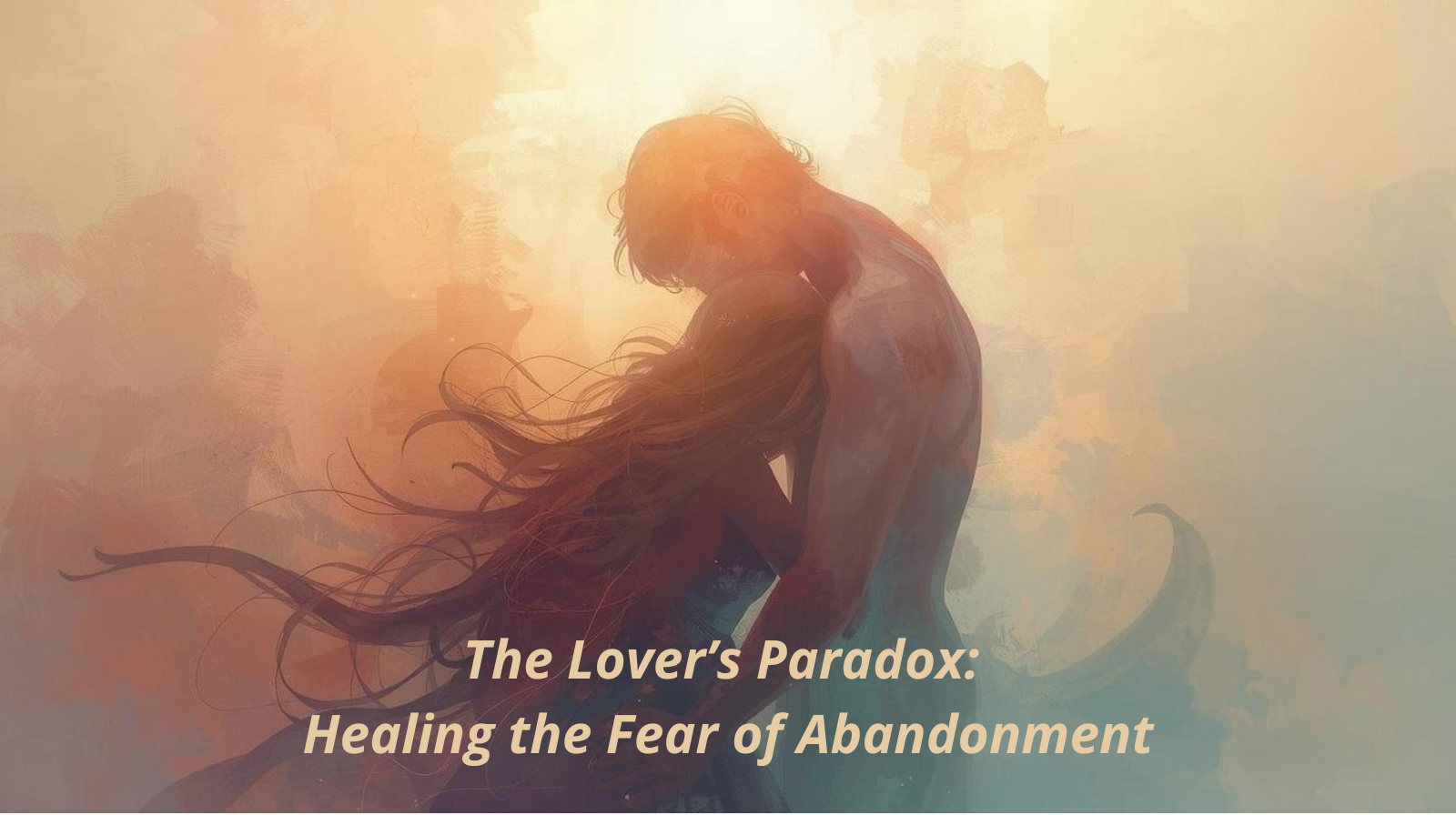
At the heart of human life is the need to feel safe and connected. Yet the fear of abandonment can make closeness feel threatening, triggering anxiety and nervous system stress. Through CranioSacral Therapy and somatic practices, it is possible to restore emotional safety, calm the nervous system, and begin healing from childhood attachment wounds.
The Biology of Abandonment
Whenever we sense disconnection or emotional absence, the amygdala — the brain’s alarm system — sends a warning: “Something’s wrong; I might not be safe.” Consequently, the vagus nerve, which regulates calm and social connection, shifts into defensive mode.
As a result, the heart beats faster, breathing becomes shallow, and stress hormones like cortisol surge through the body, preparing us to protect ourselves from potential loss. Over time, repeated experiences like this teach the nervous system that love might disappear.
Moreover, as adults, even small moments — like a delayed message or emotional distance — can trigger anxiety. Normally, the prefrontal cortex helps us see the bigger picture: “They’re probably just busy.” Nevertheless, in these moments, the emotional brain dominates, leaving us anxious, clingy, or withdrawn.
When Fear of Abandonment Becomes a Pattern
Adults carrying the fear of abandonment often notice patterns such as:
- Overanalyzing others’ reactions, tone, or silence
- Needing constant reassurance
- Testing love through withdrawal or anger (“Do you really care?”)
- Choosing emotionally unavailable partners, repeating old wounds
- Feeling panic or despair when left alone, even briefly
Beneath these behaviors, there lies a frightened child who experienced emotional isolation and still expects love to vanish. Thus, these patterns are the nervous system’s way of protecting from past pain, even if they no longer serve us.
The Core Belief Beneath
When love once felt uncertain, a child often makes an inner promise:
“If I am perfect, pleasing, or needed, they won’t leave.”
Over time, this belief embeds in the body, like a background program running silently through adulthood. We try to be helpful, accommodating, or never a burden — hoping love will stay. Then, when someone withdraws, the old fear resurfaces: “I did something wrong.”
It is not failure; it is the body’s protective mechanism. Importantly, just as the body once learned to guard through tension, it can also relearn safety, trust, and emotional connection.
Pathways for Healing
Healing begins when the body experiences safety in connection — specifically when closeness no longer signals threat. Through slow, repeated experiences of attunement and presence, the nervous system gradually learns it can remain open and safe.
Gentle practices such as deep breathing, grounding exercises, and somatic awareness help the ventral vagus re-engage. Consequently, heart rate slows, the body softens, and a new memory forms: connection can be safe.
How CranioSacral Therapy Supports Fear of Abandonment Healing
CranioSacral Therapy invites the body into states of deep rest and nervous system regulation. In this way, clients often feel more grounded and “held from within” as the parasympathetic system — especially the ventral vagus — awakens.
Furthermore, within this safety, emotional tension may release, tears may flow, or a subtle warmth may return to the chest — the felt sense of belonging to oneself. Ultimately, this approach supports the nervous system in relearning what emotional safety and connection feel like.
An Invitation
If the fear of abandonment has shaped your relationships or inner life, healing is possible. By learning to rest in safety — in your body, in connection, and in trust — you begin to rewire not just your mind, but your nervous system.
Therefore, CranioSacral Therapy can be a gentle starting point for this transformative journey toward emotional safety, self-trust, and secure connection.